

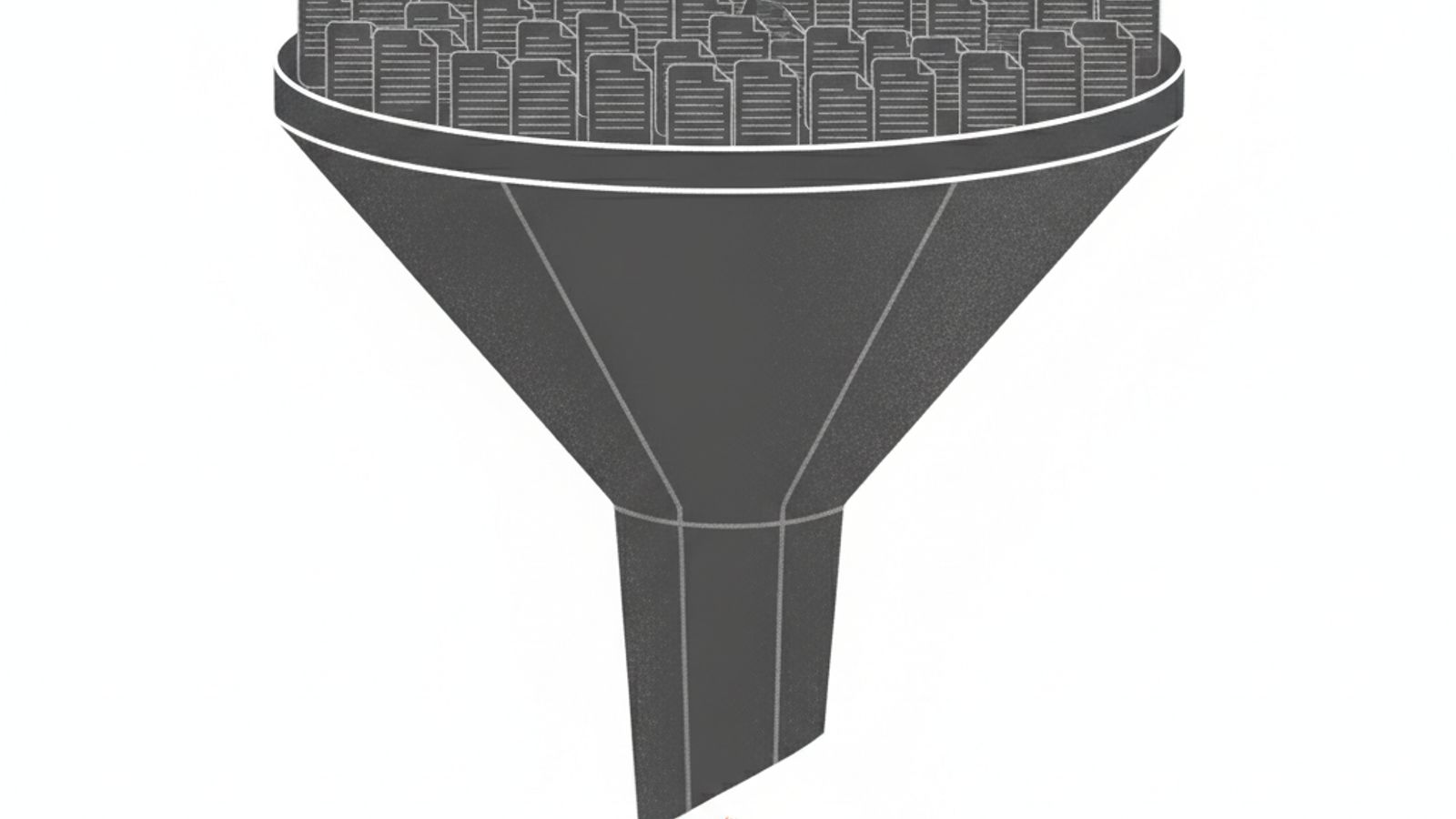

LinkedIn is suppressing content that looks AI-generated and lacks a clear human perspective. At the same time, it is launching a TikTok-style vertical video feed in the UK, Canada and Australia, building out a Creator Marketplace, and testing collaborative co-authored posts. The platform is, in the same quarter, penalising synthetic content and building commercial infrastructure to monetise the humans who produce authentic content. That contradiction is not an accident. It is a business model.
The official framing is tidy: LinkedIn cares about quality, and AI slop degrades the feed. That is true as far as it goes. But it does not explain why the policy arrives alongside a creator monetisation push. The fuller explanation is that LinkedIn needs to justify premium creator tools and a marketplace to brands and advertisers. A feed colonised by prompt-and-publish output makes that case harder. Suppressing undifferentiated AI content is as much a product decision as a content quality one. Social Media Today reported the reach restrictions and the video relaunch together, and that proximity is worth sitting with.
How content teams ended up here
When large language models became widely accessible in 2022 and 2023, many marketing and communications teams faced real pressure to produce more content with flat or shrinking headcount. LinkedIn, for its part, saw engagement numbers that made frequent posting look rewarding. The incentive was clear: volume worked, and AI made volume cheap. Teams industrialised the process. A brief goes in, a post comes out, someone hits publish. The thinking, such as it was, got outsourced to the model.
The problem with that loop is structural. Language models trained on large datasets produce text that regresses toward the average. Average insight, average sentence rhythm, average professional tone. On a platform where the average is already considerable, the result is a feed full of posts that sound like each other. LinkedIn’s algorithm, which has always weighted engagement signals like comments and dwell time over raw impressions, began surfacing this. Posts without a specific point of view attract fewer comments because there is nothing to respond to. Lower engagement signals lower quality to the ranking system. The algorithm was already doing what LinkedIn has now made explicit.
The strongest counterargument is that the policy is unenforceable in any precise sense. LinkedIn cannot reliably detect AI-generated text. Detection tools, including those from OpenAI’s own classifier work, carry meaningful false positive and false negative rates. A policy built on uncertain detection is partly a signal and partly a bluff. Some teams will conclude the risk is low and continue as before. They may be right in the short term.
What the Creator Marketplace changes
But the creator monetisation angle shifts the calculation in a way the detection argument misses. LinkedIn is building a two-tier content ecosystem. Creators who attract genuine engagement will have commercial value inside the marketplace. Brands will pay to reach their audiences. Content that suppresses reach also suppresses marketplace eligibility. The practical consequence is not just lower organic reach on individual posts. It is exclusion from a revenue layer that LinkedIn is actively building and that will grow as the vertical video feed scales across the UK, Canada and Australia.
The co-authored posts test adds another dimension. Collaborative content, where two named people contribute visibly to a single post, is structurally harder to fake with a single prompt. It requires coordination, editorial judgement, and at minimum two humans agreeing on a perspective. LinkedIn is building formats that reward the thing it says it values, not just penalising the thing it says it dislikes. That coherence suggests the policy has teeth beyond enforcement of any detection threshold.
The synthesis here is uncomfortable for teams that built their content operations around AI volume: LinkedIn is not asking whether your content was written by a human. It is asking whether your content has a point. A senior professional writing a post that restates conventional wisdom adds nothing, AI or not. A team using AI to draft around a specific, argued position, then editing for voice and accuracy, may produce content the algorithm treats as legitimate. The filter is perspective, not provenance.
What your team should do now
Marketing directors and content leads need to audit their LinkedIn output before the reach data does it for them. Pull your last 30 posts and read them as a sceptical reader would. Count the posts that contain a named position, a specific figure, or a stated disagreement with received wisdom. If that number is low, your algorithm performance will tell the same story within weeks.
The practical adjustment is not to abandon AI assistance. It is to move the human decision earlier in the process. Define the argument first. What does your organisation actually think about something specific, and why does that differ from what most people in your sector assume? Feed that position into your drafting process, not the other way around. AI can structure, sharpen, and check tone. It cannot supply the perspective that gives the post a reason to exist.
On the video relaunch: vertical video in the UK, Canada and Australia will follow the same logic. Talking-head footage of someone restating industry platitudes will perform no better than a generic text post. The format changes; the requirement for a stated, evidenced point of view does not.
LinkedIn has made a bet that creators with genuine perspectives are worth more to its advertiser base than a high volume of undifferentiated posts. Whether or not you agree with that bet, your content reach is now staked against it. The teams that adjust their process to lead with argument rather than output will hold their distribution. The ones that do not will watch their numbers prove LinkedIn’s point for them.